

Australia is entering a moment of economic soul‑searching, and few issues cut as deeply as the question now quietly emerging in policy circles: should the family home long treated as untouchable finally be included in the nation’s pension asset test?
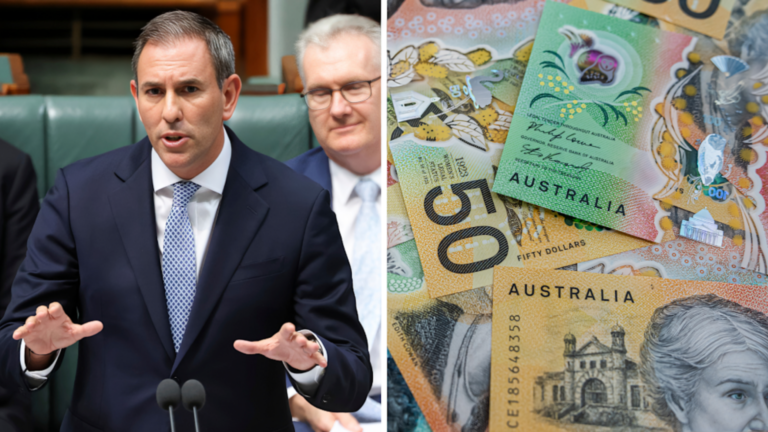
Treasurer Jim Chalmers has already taken aim at two “sacred cows” of the economy, but housing economist Cameron Kusher believes the biggest one remains untouched.
He argues that if the government is serious about intergenerational fairness, it must confront the reality that many retirees are living in multi‑million‑dollar homes while still receiving a full pension.
“This Budget has been framed as reform, but I still think it’s largely tinkering around the edges,” Kusher said. “A lot of people are sitting in family homes, they’re retired, and they’re still getting a full pension. But through very little work of their own, they’ve seen a significant increase in the asset’s value.”
Under current rules, the primary residence is exempt from the Age Pension asset test. That means a retiree living in a $5 million home in Potts Point or Toorak can receive the same pension as someone in a modest $500,000 unit in Bendigo or Bathurst.
The Department of Social Services warned Minister Tanya Plibersek last year that this arrangement effectively forces low‑ and middle‑income taxpayers to subsidise the retirement of asset‑rich seniors.
Critics have long described this as a “homeowners welfare state,” where wealth tied up in property remains shielded while younger generations struggle to enter the market. The Grattan Institute’s Brendan Coates has echoed the concern, noting the stark imbalance between pension recipients with vastly different levels of property wealth.
Kusher believes that confronting the family‑home exemption would represent genuine reform the kind that could strengthen public support for other contentious changes, such as adjustments to negative gearing or the capital gains tax discount.
“If they had included something like that in this budget, then potentially there’d be more support for what they’re doing,” he said. “Maybe in the next budget that’s the sort of thing they start to look at.”
Whether the government is ready to challenge one of the most politically sensitive pillars of Australian life remains to be seen. But the debate is no longer theoretical it’s becoming unavoidable.










+ There are no comments
Add yours