
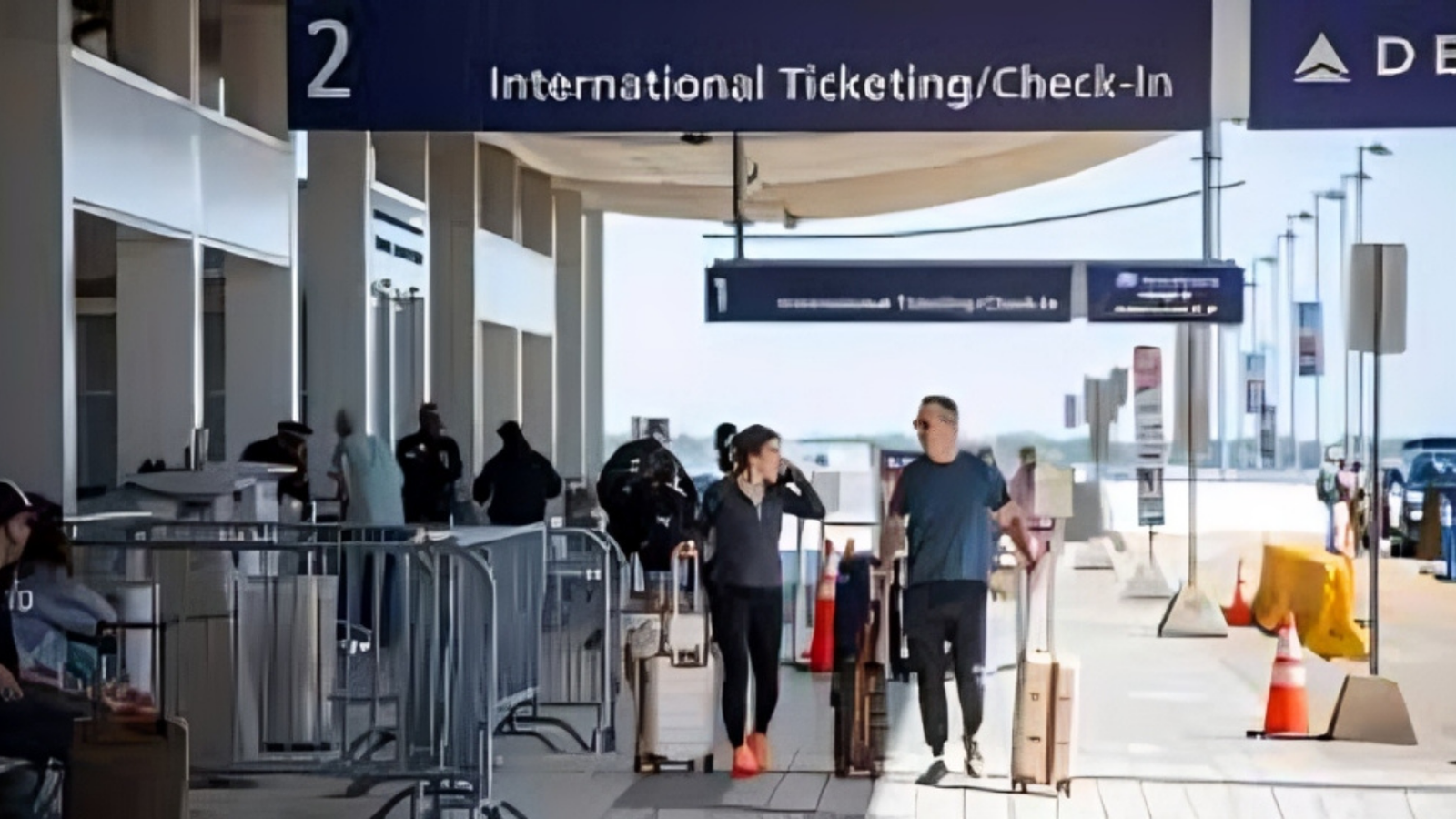
The United States has expanded its Ebola‑related travel restrictions, temporarily barring lawful permanent residents from entering the country if they have been in the Democratic Republic of Congo, Uganda or South Sudan within the past 21 days. The move marks a significant shift, as green card holders had previously been exempt from the 30‑day ban.
The Centers for Disease Control and Prevention (CDC) said the extension was necessary to prevent the Bundibugyo strain of Ebola now considered a “very high” outbreak risk in the DRC from reaching US borders. “Applying this authority to lawful permanent residents for a limited period of time provides a balance between protecting public health and managing emergency response resources,” the agency said.
The World Health Organization has raised its risk assessment for the Bundibugyo strain, declaring the outbreaks in the DRC and Uganda an emergency of international concern. Health officials warn the true scale of infections may be larger than reported.
The CDC issued the order under Title 42, a public‑health law that allows federal authorities to block entry to prevent the spread of contagious diseases. While Title 42 was widely used during the COVID‑19 pandemic, green card holders were never previously included not even under former President Donald Trump’s travel bans.
The decision underscores the seriousness of the current Ebola threat and reflects growing concern among global health agencies as they work to contain the virus.









+ There are no comments
Add yours