
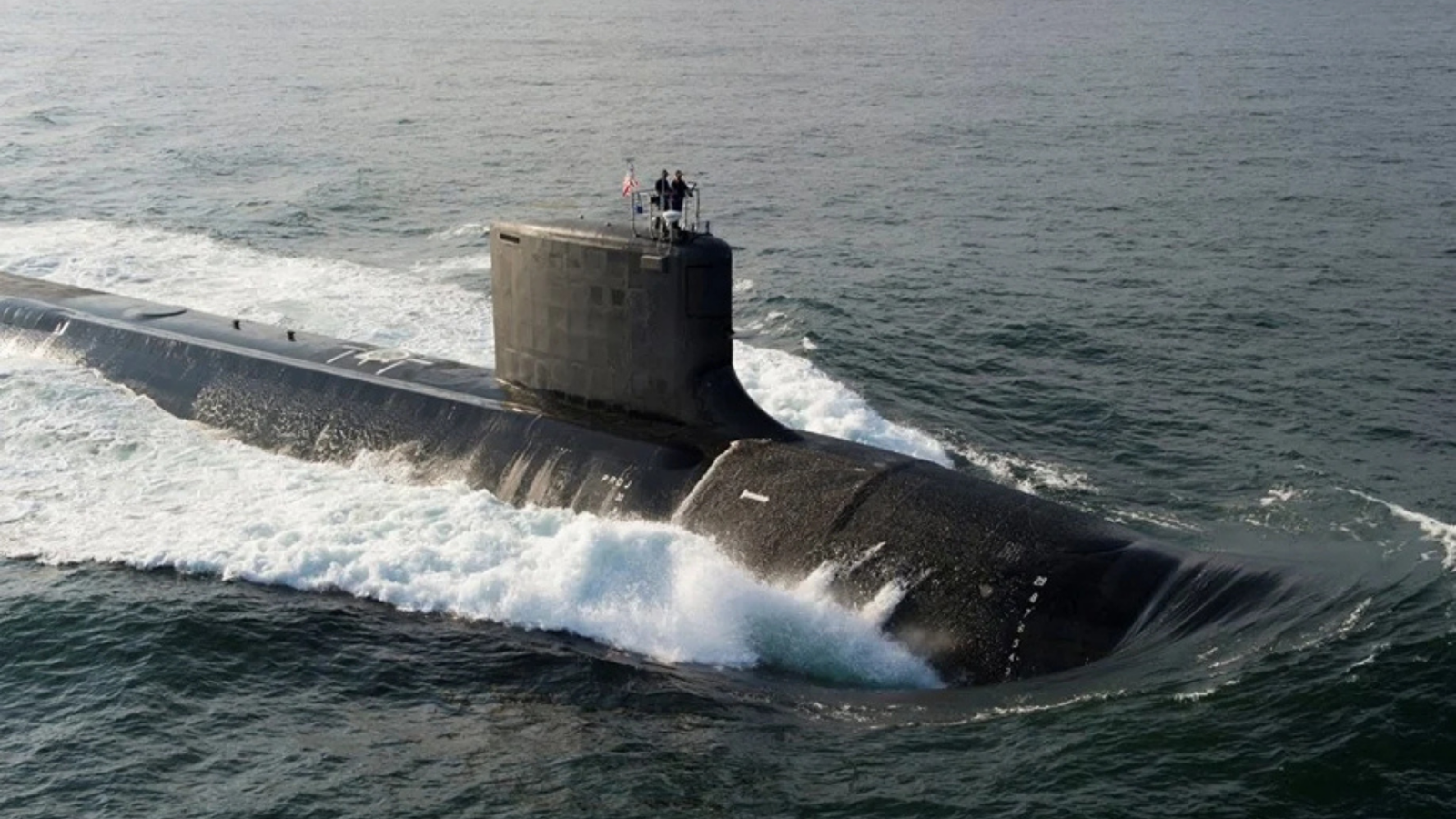
Growing anxiety over a potential “capability gap” that could leave Australia without an operational submarine fleet for years is prompting defence experts and industry figures to warn that the nation may need to consider an AUKUS “plan B.”
The federal government maintains that the AUKUS “optimal pathway” remains on schedule a plan that would see Australia acquire three US‑built nuclear‑powered submarines in the 2030s, followed by Australian‑built AUKUS‑class submarines from the 2040s. But behind the scenes, concerns are intensifying.
Specialists warn that extending the life of the aging Collins‑class fleet, relying on the pace of construction in stretched American shipyards, and designing an entirely new nuclear‑powered class from scratch all carry significant risks. The timeline leaves Australia attempting to keep a decades‑old fleet running for nearly 20 additional years, a task many describe as technically daunting and strategically precarious.
Some defence analysts argue that even minor delays whether in US production lines or Australia’s own industrial build‑up could leave the country exposed during a period of rising regional tensions. Others say the government should already be exploring fallback options, including interim platforms or accelerated procurement pathways.
For now, the government insists the AUKUS plan is intact. But the growing chorus of warnings reflects a broader unease: Australia is betting heavily on a complex, multinational, nuclear‑powered future and the margin for error is shrinking.






+ There are no comments
Add yours