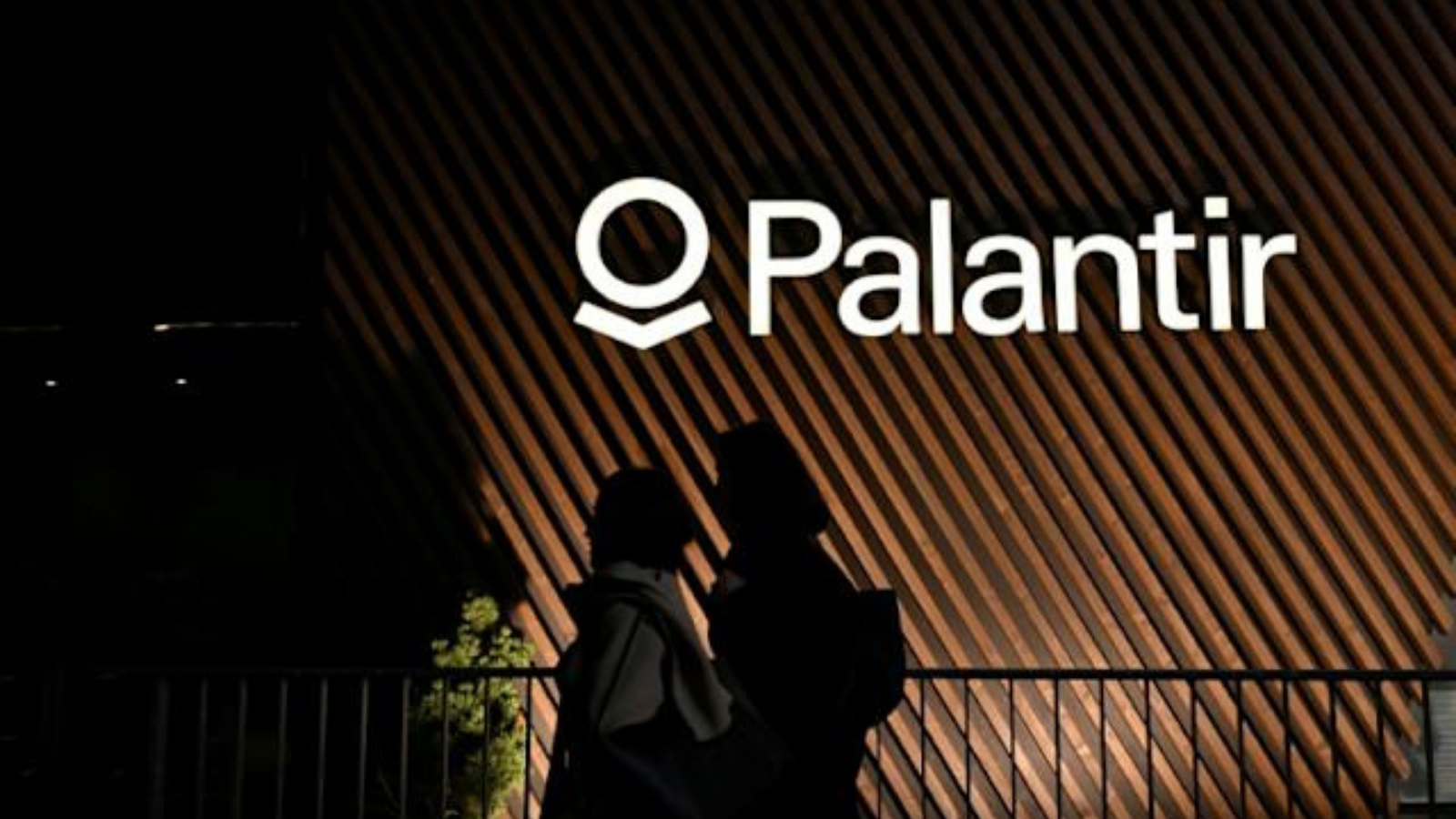
France’s decision this week to remove Palantir from its intelligence services has intensified scrutiny of the American data‑mining powerhouse a company that has evolved from a CIA‑backed startup into one of the most influential and controversial tech players of the Trump era. The move reflects growing unease across Europe about Palantir’s deep ties to US national security and its increasingly assertive political posture.
Founded in 2003 by members of the so‑called PayPal Mafia, Palantir was built on the belief that better data‑sharing could prevent attacks like 9/11. Co‑founder Peter Thiel envisioned the company as a guardian of “the West,” naming it after the all‑seeing stones from The Lord of the Rings. Alongside him were Alex Karp, now CEO, and Joe Lonsdale, both of whom have shaped the company’s hawkish, pro‑innovation identity.
Palantir’s rise accelerated in 2005 when the CIA’s venture arm, In‑Q‑Tel, invested in the firm, embedding it firmly within the US intelligence ecosystem. Its software was soon deployed in Iraq and Afghanistan, and over the years Palantir has secured more than $2.7 billion in US defense contracts. Under President Donald Trump’s second term, its influence has surged even further.
The company now plays a central role in Project Maven, the Pentagon’s AI‑powered targeting system a program Palantir took over from Google in 2019. Maven has since expanded dramatically and was used in recent US‑Israel operations against Iran. Palantir has also become deeply involved in US immigration enforcement, securing more than $81 million in ICE contracts since 2025, including tools that mine health records to identify people for deportation a practice that has drawn fierce criticism from rights groups.
CEO Alex Karp, a philosophy PhD and the company’s public face, frequently defends Palantir as a force for strengthening democratic institutions and countering global threats. But his libertarian‑leaning rhetoric, combined with Thiel and Lonsdale’s outspoken conservative activism, has raised questions among foreign governments about where Palantir’s loyalties truly lie.
That concern is now shaping policy decisions. France, Germany and the UK have all begun reassessing their reliance on Palantir’s technology. Analysts warn that international clients are increasingly asking whether the company would side with them or with Washington if political interests collide.
As Aalok Mehta of the Center for Strategic and International Studies put it, foreign governments are now forced to consider a difficult question: “Will Palantir comply with a White House demand, even if it involves sensitive or classified information?” For many, that uncertainty is becoming too great to ignore.











+ There are no comments
Add yours