
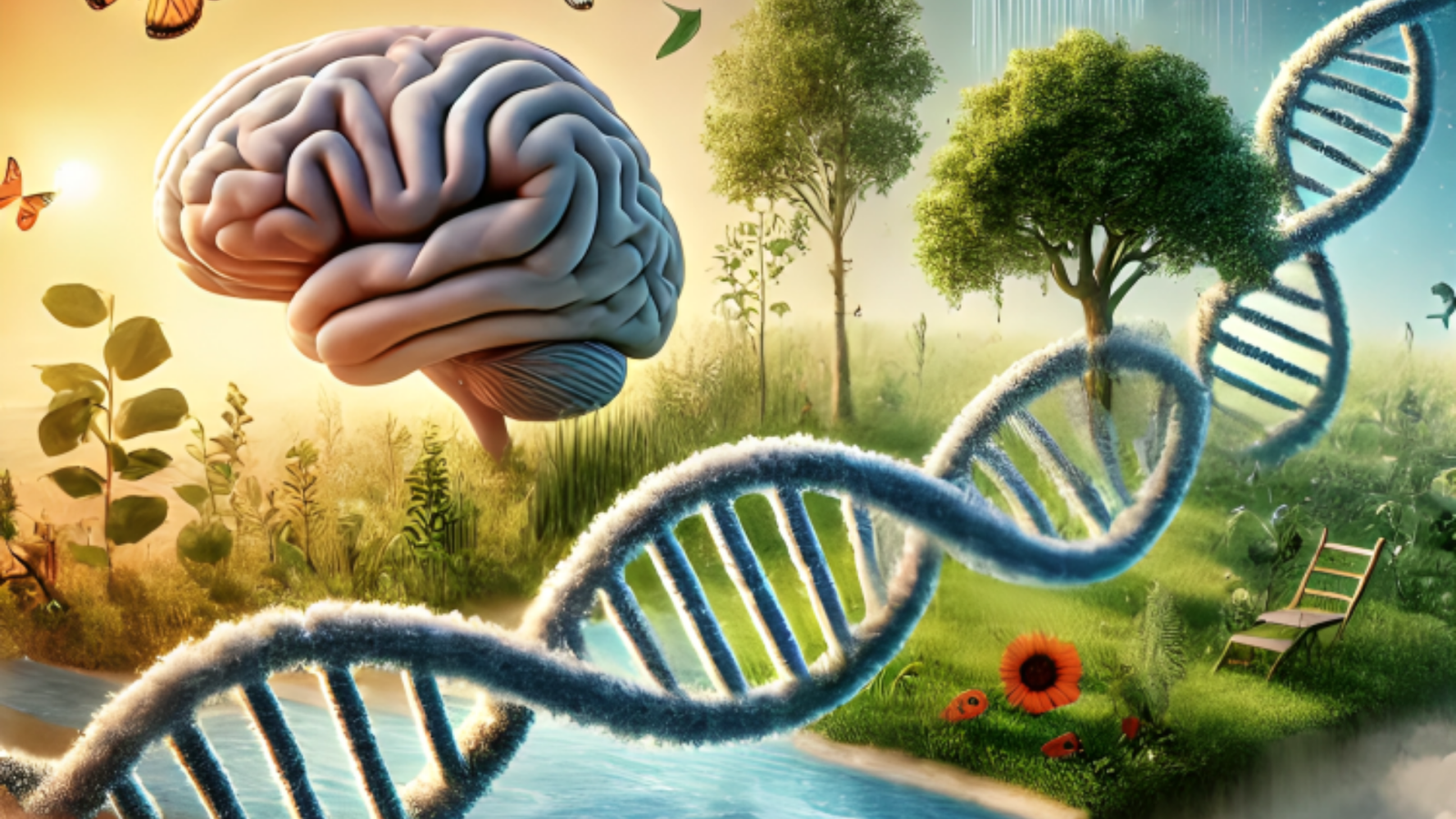
For decades, scientists and the public alike have wrestled with a tantalising question: how much of our personality is written into our DNA? The debate reached a dramatic peak in 2009, when an Italian court reduced the sentence of Abdelmalek Bayout after his lawyer argued that his client carried the so‑called “warrior gene” a genetic variant once linked to aggressive behaviour.
The appeal succeeded, shaving a year off his prison term and igniting global controversy.
The gene in question, MAOA, had been associated with violent tendencies since the 1990s, and by 2004 it had earned a sensational nickname that captured headlines. But the science has moved on. Researchers now say the idea of a single gene dictating behaviour is outdated.
“Initially, people thought that behaviours were influenced by a few genes with very large effects,” says Aysu Okbay, assistant professor of psychiatry and complex trait genetics at Amsterdam UMC. “That has been completely debunked.”
Today’s understanding is far more nuanced. Personality traits arise from a complex interplay of thousands of genetic variations, environmental influences, upbringing, culture and lived experience. Genes may nudge us in certain directions, but they do not script our destinies.
The story of the “warrior gene” serves as a reminder of how easily science can be oversimplified and how dangerous those simplifications can become when they enter courtrooms, politics or public debate. As research advances, one thing is becoming clear: who we are cannot be reduced to a single strand of DNA.











+ There are no comments
Add yours