
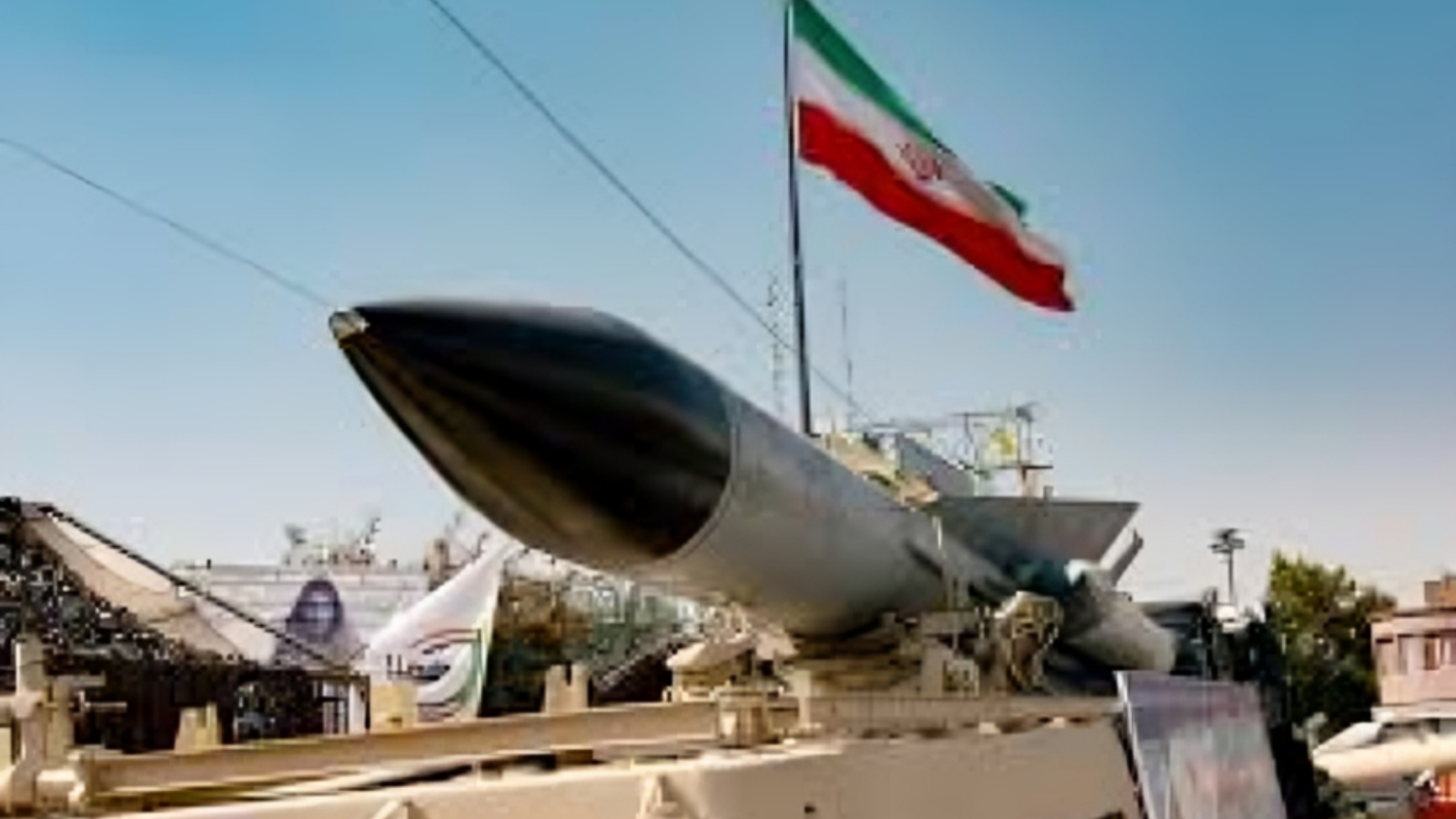
Across Iran, the faces of assassinated leaders and newly empowered rulers stare down from billboards, television screens and street corners a constant reminder that despite protests, a war and a fragile ceasefire, the Islamic Republic remains firmly in control.
Iranians who spoke to the BBC from inside the country say the regime has not weakened; instead, it has tightened its grip and adopted a more vengeful posture. Many citizens who once hoped for political change now describe a sense of resignation and fear.
Among them are Sana and Diako not their real names a young, educated couple in Tehran who oppose hardline religious rule. Even sharing their experiences requires stripping away personal details, as the authorities have become increasingly adept at identifying and punishing those who speak to foreign media.
Sana says the country has changed dramatically since the conflict involving the United States and Israel began. At first, she opposed the war. But as senior Iranian figures were targeted, she admits she felt a sense of relief, even joy, believing it might lead to a more moderate future.
That hope quickly evaporated. The deaths of top officials, including the Supreme Leader, did not bring the political shift many expected. Instead, the Revolutionary Guards consolidated power, and the state reasserted itself with renewed force.
“So many of their people are still standing,” Sana said. “What I imagined did not come true. Everything got worse. And we are left with the Islamic Republic. I am gutted that they won this war.”
For many Iranians, the war has ended but the sense of being trapped under an unyielding system has only intensified.





+ There are no comments
Add yours