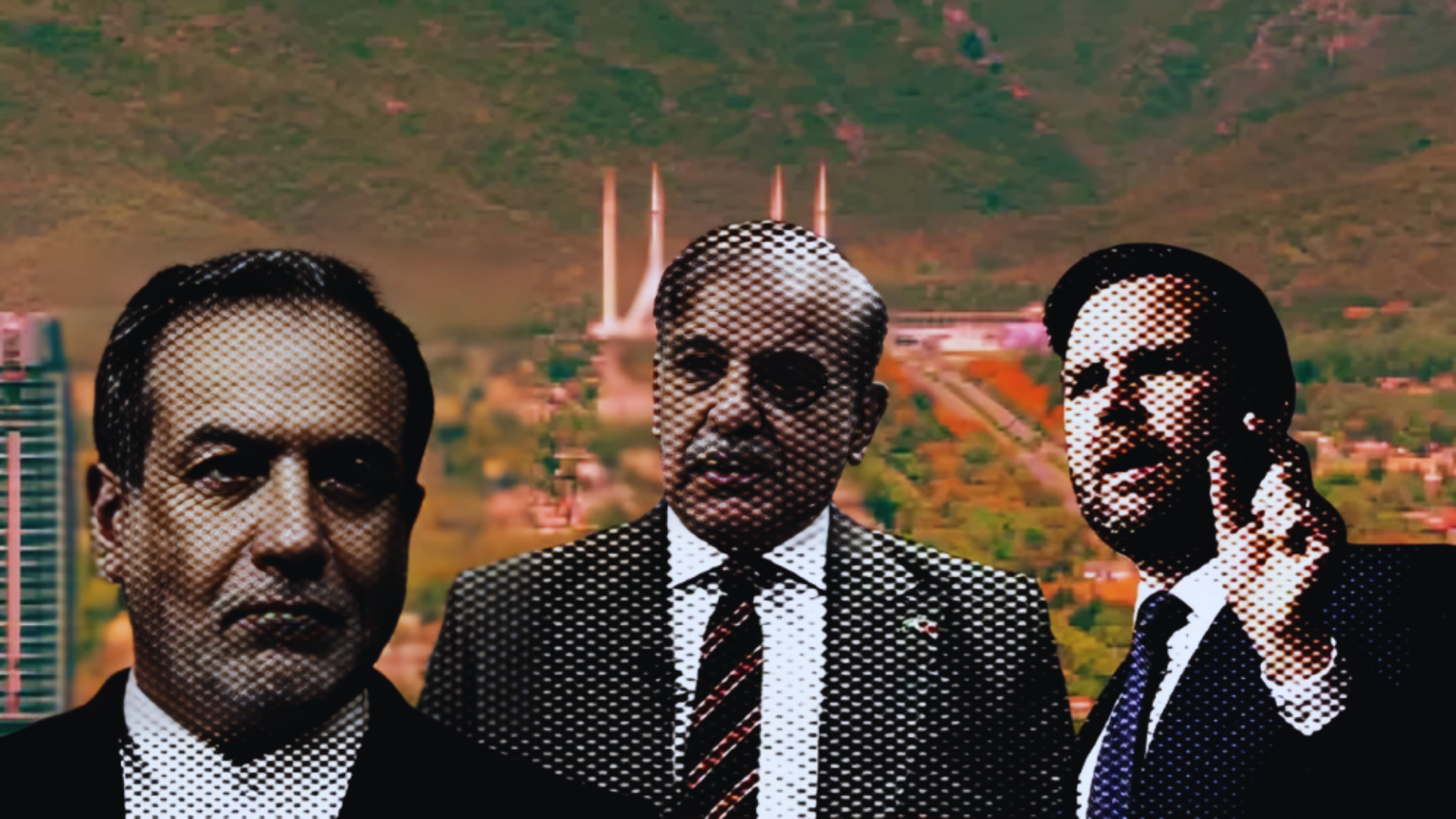
As Pakistan prepares to host what its leaders describe as make‑or‑break negotiations between the United States and Iran, the mood inside Iran is one of profound scepticism. According to Professor Zohreh Kharazmi of the University of Tehran’s Faculty of World Studies, ordinary Iranians see little reason to trust Washington or its allies after years of failed diplomacy and conflicting signals.
“Iranians are not really optimistic because there is no trust,” Kharazmi told Al Jazeera, arguing that past negotiations were often used “as a clock to cover acts of aggression.” She pointed to what she described as the contradictory behaviour of the Trump administration agreeing to Iran’s 10‑point proposal before “throwing it in the garbage.”
Despite the mistrust, Kharazmi said many Iranians believe they hold leverage. “They know how desperate Trump is, domestically and internationally,” she said, suggesting Tehran sees itself negotiating from a position of strength.
On Iran’s insistence that a Lebanon ceasefire be part of the talks, Kharazmi was blunt: any progress depends on Washington’s ability to pressure Israel. She warned that Israel “likes to destroy any opportunity for a ceasefire in the region,” making US influence a decisive factor.
Kharazmi also defended Iran’s economic demands including sanctions relief, unfreezing of assets, reparations, and tolls on vessels passing through the Strait of Hormuz calling them “logical and sophisticated.” She argued that control over Hormuz could reconnect Iran to the global economy after “years of American economic terrorism and sanctions,” while giving the Global South a larger share of global economic power.
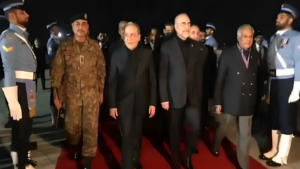
With Islamabad under tight security and expectations high, the talks are set against a backdrop of mistrust, competing interests and a region on edge leaving the outcome far from certain.




+ There are no comments
Add yours