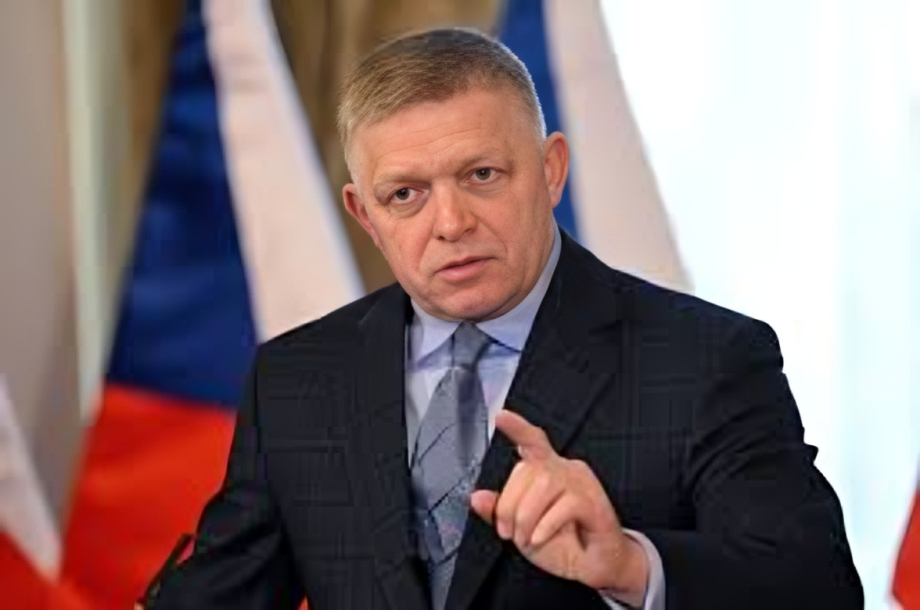
Ukraine has sharply condemned Hungary and Slovakia after both countries threatened to halt emergency electricity supplies unless Kyiv resumes the flow of Russian oil through the Druzhba pipeline a demand Ukrainian officials described as “ultimatums and blackmail.”
Russian oil shipments to Hungary and Slovakia have been halted since January 27, when Kyiv says a Russian drone strike damaged pipeline infrastructure in western Ukraine. Budapest and Bratislava, however, blame Ukraine for the prolonged outage and insist the transit must resume immediately.
Slovak Prime Minister Robert Fico escalated tensions on Saturday, warning he would cut off electricity exports to Ukraine within two days unless oil flows restart. Hungarian Prime Minister Viktor Orbán issued a similar threat earlier in the week. The dispute marks one of the most heated confrontations yet between Ukraine and two EU and NATO members whose leaders have maintained unusually warm ties with Moscow throughout the war.
Hungary and Slovakia remain the only EU states still heavily dependent on Russian oil delivered via the Soviet‑era Druzhba pipeline. Ukraine’s Foreign Ministry rejected their demands outright, saying, “Ultimatums should be sent to the Kremlin, and certainly not to Kyiv.”
The stakes are high: together, Hungary and Slovakia supply roughly half of Europe’s emergency electricity exports to Ukraine a lifeline as Russian strikes continue to batter Ukraine’s power grid. Kyiv warned that cutting these supplies would be “provocative, irresponsible, and threaten the energy security of the entire region.”
Despite the war, Ukraine has continued allowing Russian energy exports to transit its territory, though volumes have sharply declined. Kyiv has proposed alternative routes while repairs are underway, including maritime shipments and the Odesa‑Brody pipeline.
The dispute comes as Russia intensifies its campaign against Ukraine’s energy infrastructure. Since October, waves of drone and missile attacks have plunged millions into darkness during freezing winter temperatures, leaving the country increasingly reliant on emergency power imports from its European neighbours.






+ There are no comments
Add yours