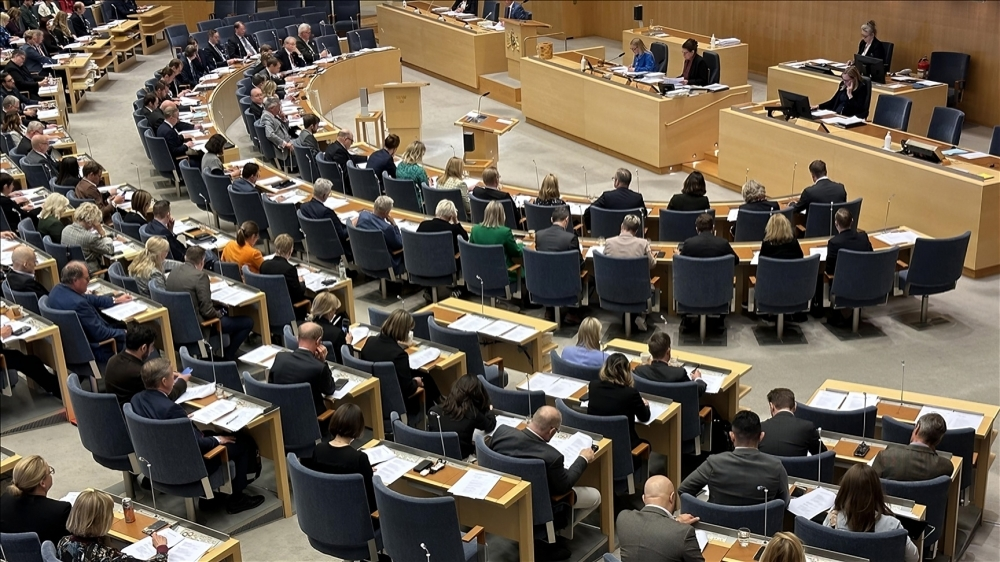
Sweden has ignited a nationwide outcry after unveiling the prison conditions that children as young as 13 will face once a controversial juvenile justice reform comes into force in July. The reform one of the most heavily criticised in recent years lowers the age of criminal responsibility from 15 to 13, a move the government argues is necessary to confront a surge in violent gang crime.
The right‑wing minority government, backed by the far‑right Sweden Democrats, announced the change in January despite strong resistance from the very institutions tasked with enforcing it. Of the 126 authorities consulted, including the police and prison service, most opposed the proposal outright. Still, the government insists the country’s crime landscape has shifted too dramatically to maintain the old system.
For more than a decade, Sweden has struggled with escalating gang violence, including bombings and shootings linked to turf wars and drug‑market control. Criminal networks have increasingly turned to children under 15, often recruiting them online as highly paid hitmen who, under current law, cannot be imprisoned. Officials say the reform aims to close that loophole.
Under the new system, eight existing prisons have been instructed to build dedicated child sections, with three set to open by July 1. Justice Minister Gunnar Strömmer said the young inmates will be kept separate from adults and locked in their cells for 11 hours each night — slightly less than the 14 hours imposed on adult prisoners. During the day, they will attend school and have access to their own cafeteria, recreation yard, gym and infirmary.
Until now, minors convicted of serious crimes have typically been sent to SIS homes closed youth facilities focused on rehabilitation rather than punishment. But many of these centres have, in recent years, become fertile recruiting grounds for the same criminal networks authorities are trying to dismantle.
Strömmer defended the reform, arguing that Sweden’s social reality has changed. “Young people in general commit fewer crimes,” he said. “But those who do commit more and much more serious crimes.” Critics warn the policy risks being counter‑productive, pushing vulnerable children deeper into criminality rather than steering them away from it.
As the July deadline approaches, the debate is only intensifying, with Sweden now confronting one of the most divisive justice reforms in its modern history.












+ There are no comments
Add yours