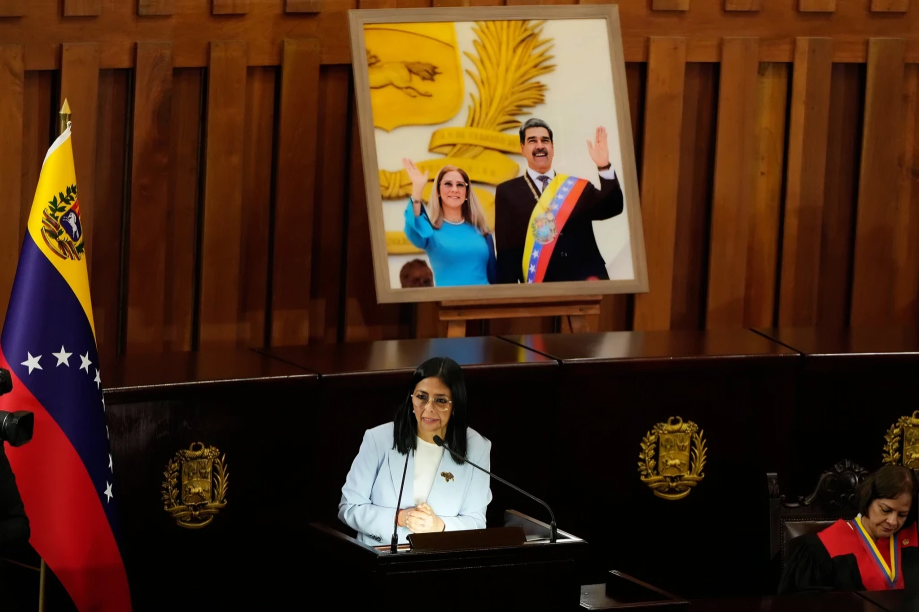
Venezuela’s National Assembly has taken a significant step toward passing an amnesty bill introduced by acting President Delcy Rodríguez legislation that could pave the way for the release of hundreds of opposition figures, journalists, and human rights activists detained on political grounds.
The proposal, long demanded by the opposition and rights groups with support from the United States, has stirred cautious optimism, though many warn that key details remain hidden from public view.
The bill, introduced only weeks after the US military captured former President Nicolás Maduro, still requires a second debate before it can be approved. Once passed, it will need Rodríguez’s signature to take effect.
Announcing the initiative last month, Rodríguez told an audience of judges, ministers, military leaders, and senior officials that the Assembly would treat the legislation with urgency, describing it as a tool to “heal the wounds” left by years of political conflict.
Human rights organizations, however, are pressing for transparency. They fear that without full disclosure, some political prisoners may be excluded. PROVEA, a leading rights group, urged the government to publish the bill immediately, stressing its profound implications for victims and Venezuelan society.
What is known so far suggests the amnesty would cover a broad period from the era of Hugo Chávez beginning in 1999 through Maduro’s presidency up to this year. Reports indicate that individuals convicted of murder, drug trafficking, or serious human rights abuses would be excluded.
As Venezuela navigates a turbulent political transition, the amnesty bill has become a focal point of both hope and uncertainty a potential turning point that many believe could reshape the country’s fractured political landscape.





+ There are no comments
Add yours