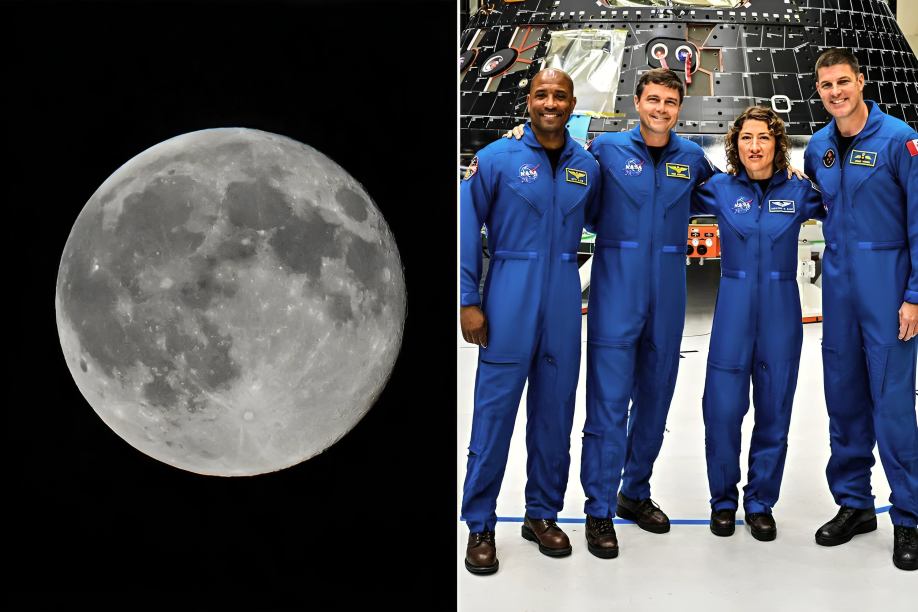
NASA has kicked off a pivotal two‑day practice countdown, a major step toward fueling its next‑generation moon rocket an operation that will determine when four astronauts embark on a historic lunar flyby.
Commander Reid Wiseman and his crew, already in quarantine to avoid any last‑minute health risks, are poised to become the first humans to travel toward the moon since the final Apollo mission in 1972. From their base in Houston, they will oversee the rehearsal before heading to Kennedy Space Center once the rocket is officially cleared for launch.
The towering 322‑foot (98‑meter) Space Launch System (SLS) has been positioned on the launch pad for two weeks. Monday’s fueling test will see teams load more than 700,000 gallons of super‑cold propellant into the rocket, halting just 30 seconds before engine ignition. If all goes smoothly, NASA could green‑light a launch attempt within days.
A blast of bitter winter weather forced NASA to delay the fueling demonstration and the mission timeline by two days. The earliest possible launch date now stands at February 8.
The crew will ride inside the Orion spacecraft, perched atop the SLS, for a nearly 10‑day journey that will sling them around the moon before sending them directly back to Earth for a Pacific Ocean splashdown. The mission marks a major milestone in America’s return to deep‑space exploration.
Between 1968 and 1972, NASA sent 24 astronauts to the moon under the Apollo program, with 12 making history by walking on its surface. This upcoming mission signals the beginning of a new era one aimed at pushing human exploration farther than ever before.












+ There are no comments
Add yours