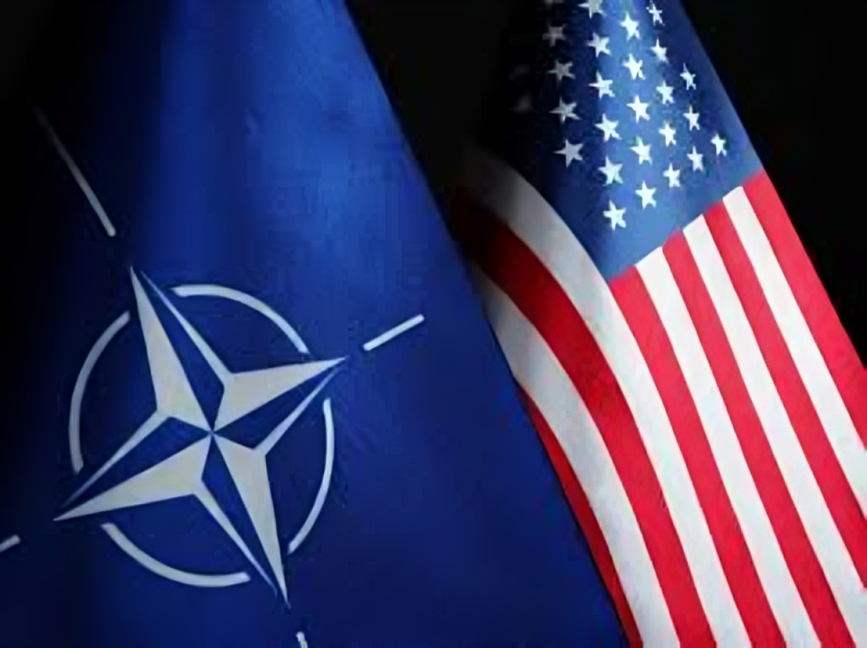
The United States is preparing to reduce its personnel footprint across several major NATO command centers, a shift that has already been communicated to select European governments and is expected to heighten anxiety over Washington’s long‑term commitment to the alliance, according to three sources familiar with the discussions.
The move, initiated under the Trump administration, will eliminate roughly 200 positions from NATO bodies responsible for planning and overseeing military and intelligence operations. Among the affected entities are the NATO Intelligence Fusion Center in the UK, the Allied Special Operations Forces Command in Brussels, and STRIKFORNATO in Portugal, along with several other operational hubs.
While the administration has not publicly explained the rationale, the cuts align with its stated intention to redirect more US resources toward the Western Hemisphere.
Political Signals Add to European Unease
The reduction is relatively small compared to the 80,000 US troops currently stationed in Europe, nearly half of them in Germany. Still, the timing is sensitive. European governments are already unsettled by President Donald Trump’s recent rhetoric — including his push to acquire Greenland from Denmark and a social‑media repost labeling NATO a “threat” to the United States.
A NATO official downplayed the significance of the staffing changes, noting that adjustments to US personnel levels are not unusual and emphasizing that the American presence in Europe remains robust.
Symbolic Impact Seen as More Significant Than Military Impact
Sources say the cuts will be implemented gradually, largely by not backfilling positions as personnel rotate out. Roughly 400 US staff currently serve in the NATO entities affected, meaning the reduction will shrink that number by about half.
The drawdown comes at a diplomatically delicate moment for the alliance. Trump has previously threatened to withdraw from NATO and suggested encouraging Russia to target members that fail to meet defense‑spending commitments. Yet in 2025, he publicly praised NATO Secretary‑General Mark Rutte and European leaders after they agreed to increase defense budgets.
The White House and Pentagon did not respond to requests for comment.









+ There are no comments
Add yours