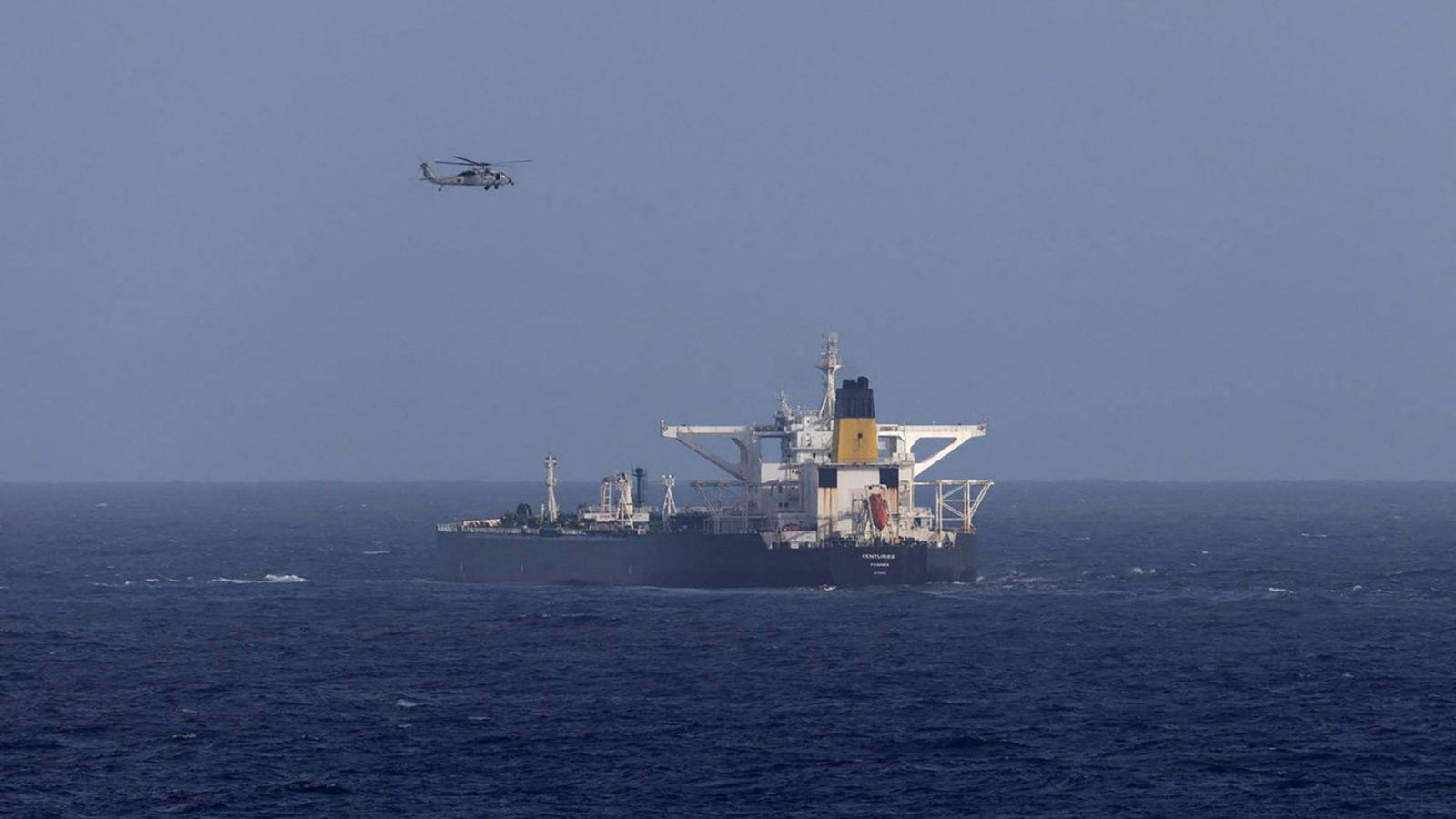
US forces detained Venezuelan President Nicolás Maduro and his wife Cilia Flores during a pre‑dawn military operation in Caracas on 4 January, removing them from the presidential residence and transferring them to a federal detention facility in New York City. US officials say they will face charges related to narcotics trafficking, a development that has opened a new and volatile chapter in global geopolitics.
Three days after the arrests, on 7 January, President Donald Trump announced that the United States would begin importing Venezuelan oil. The first shipment, estimated at between thirty and fifty million barrels, arrived soon after and generated five hundred million dollars in sales. The move signals a sharp strategic shift in the US energy market and marks Washington’s renewed interest in Venezuela’s vast oil reserves.
On 9 January, President Trump met senior executives from major American oil companies at the White House. He said he expected at least one hundred billion dollars in investment to flow into Venezuela’s oil sector in the near future and made it clear he wanted US companies to take an active role in rebuilding the industry. Most executives, however, did not commit to the idea.
Darren Woods, the chief executive of Exxon Mobil, said investment in Venezuela was not feasible under the current circumstances, reflecting broader industry hesitation despite Washington’s push.







+ There are no comments
Add yours