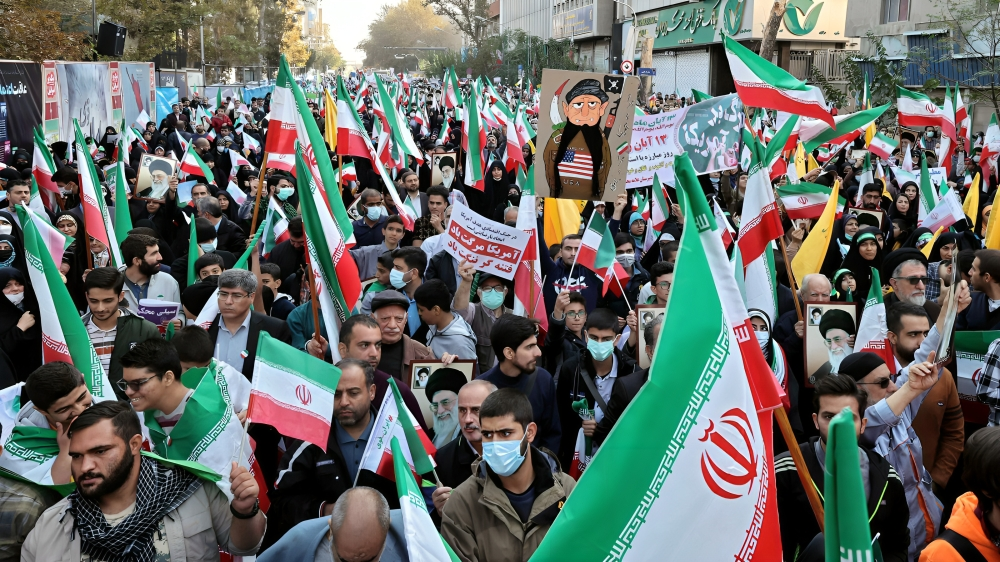
Protesters have brought major Iranian cities to a standstill for much of the week as anger deepens over the country’s worsening economy and widespread accusations of corruption and mismanagement by its ruling clerical establishment.
The unrest began when merchants in Tehran closed their shops after the national currency crashed. The Iranian rial fell to a record low against the US dollar on December 29, triggering immediate outrage among business owners and workers already struggling with soaring prices.
What started in the capital quickly spread to other cities and social groups. Demonstrators are now calling for an end to clerical rule and demanding free elections, turning the protests into one of the most significant challenges to Iran’s leadership in recent years.
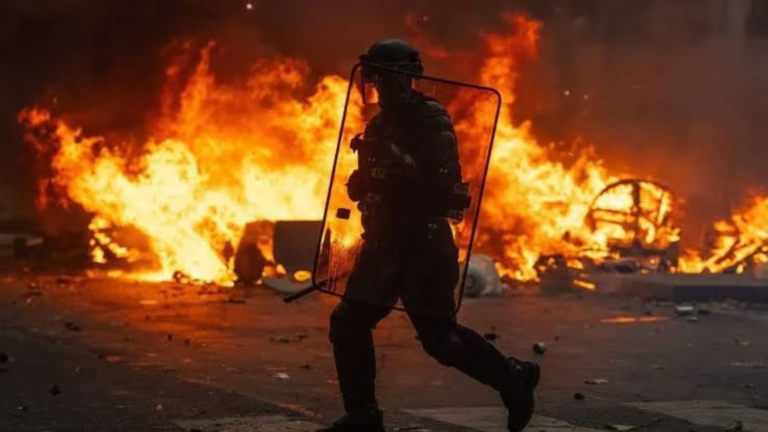
The wave of demonstrations has turned deadly. Several people have been killed, including three protesters during an attack on a police station in Lorestan province. Authorities also confirmed one death in the western city of Kuhdasht, while a rights group reported another fatality in Isfahan province.
Many Iranians describe the movement as a fight for survival. One protester called it a hunger revolution and a bread revolution, capturing the desperation driving people into the streets.




+ There are no comments
Add yours