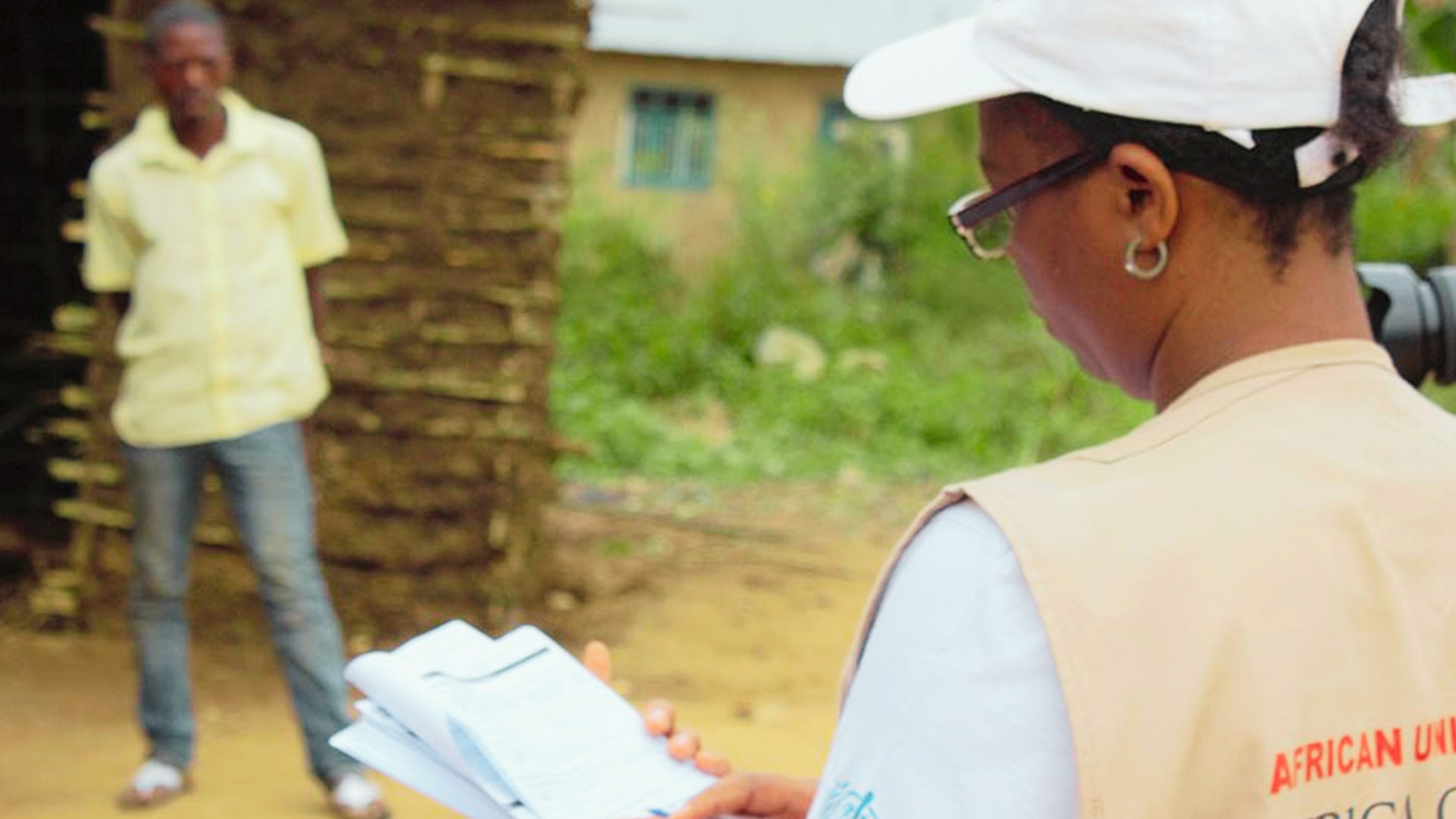
The United States has signed health agreements with at least nine African nations as part of a major overhaul of its global health funding strategy. The new deals reflect the Trump administration’s priorities, offering reduced aid while emphasizing shared benefits and negotiated terms.
Countries including Kenya, Nigeria and Rwanda are among the first to sign under this new framework, which ties US support to direct negotiations rather than long standing aid structures. Several of these nations have previously faced US funding cuts or have separate agreements to host third country deportees, though officials insist the issues are unrelated.
The administration says the “America First” approach aims to promote self reliance and remove what it considers ideological influence and inefficiency from international aid. These agreements replace the former system once managed by the now dismantled United States Agency for International Development.
Cuts to US aid have already strained health systems across many developing countries, particularly in Africa, where American funding has long supported programs tackling infectious diseases and public health emergencies.
This new model mirrors President Donald Trump’s broader foreign policy style, which favors transactional relationships and direct government to government negotiations. Supporters argue that traditional US assistance helped stabilize global partners and strengthened alliances, while critics say the new approach risks weakening essential health programs.
A Major Shift in Funding Priorities
The agreements represent a significant break from past US health funding practices. South Africa, which previously received substantial American support, has not signed a deal after losing most of its funding, including 400 million dollars annually, amid tensions with Washington.
Nigeria, Africa’s most populous nation, secured an agreement that places strong emphasis on Christian faith based health providers, despite the country’s slight Muslim majority. Rwanda and Uganda, both of which have deportation arrangements with the US, have also signed on. Cameroon, Eswatini, Lesotho, Liberia and Mozambique are among the other signatories.
According to the Center for Global Development, the new deals combine reduced US funding, higher co financing expectations and a shift toward direct government partnerships. The organization reports that annual US health spending for each participating country has dropped by 49 percent compared with 2024.
Nigeria’s Faith Focused Deal
Nigeria has historically been one of the largest recipients of US health assistance, receiving about 2.3 billion dollars between 2021 and 2025. Under the new five year agreement, the US will provide just over 2 billion dollars, while Nigeria is expected to contribute 2.9 billion dollars of its own funding to strengthen its health sector.







+ There are no comments
Add yours